Cryptocurrencies like Bitcoin and Ethereum are famous for their wild price swings. A coin can gain 20% in a day or lose half its value in a week. That volatility makes them exciting to trade, but hard to use as everyday money. Stablecoins were created to solve exactly that problem: they are cryptocurrencies designed to hold a steady value, usually pegged one-to-one with a traditional currency like the US dollar.

How Stablecoins Keep Their Price Steady
The simplest stablecoins work like digital cash vouchers. For every digital token in circulation, the issuer claims to hold one real dollar (or dollar-equivalent asset) in reserve. When you redeem the token, you get the dollar back, so the token trades at roughly one dollar on every exchange. Other stablecoins use different mechanics, such as crypto collateral or algorithms that expand and shrink supply, but the goal is always the same: keep the price as close to $1 as possible.
This stability is what makes stablecoins different from every other cryptocurrency. They combine the speed and global reach of blockchain networks with the predictable purchasing power of the dollar. You can send $500 in stablecoins to someone on another continent in minutes, for a fraction of a cent, without worrying that it will be worth $480 by the time it arrives.
The Big Three: USDT, USDC, and DAI
Not all stablecoins are built the same way. Here are the most important ones to know.
Tether (USDT)
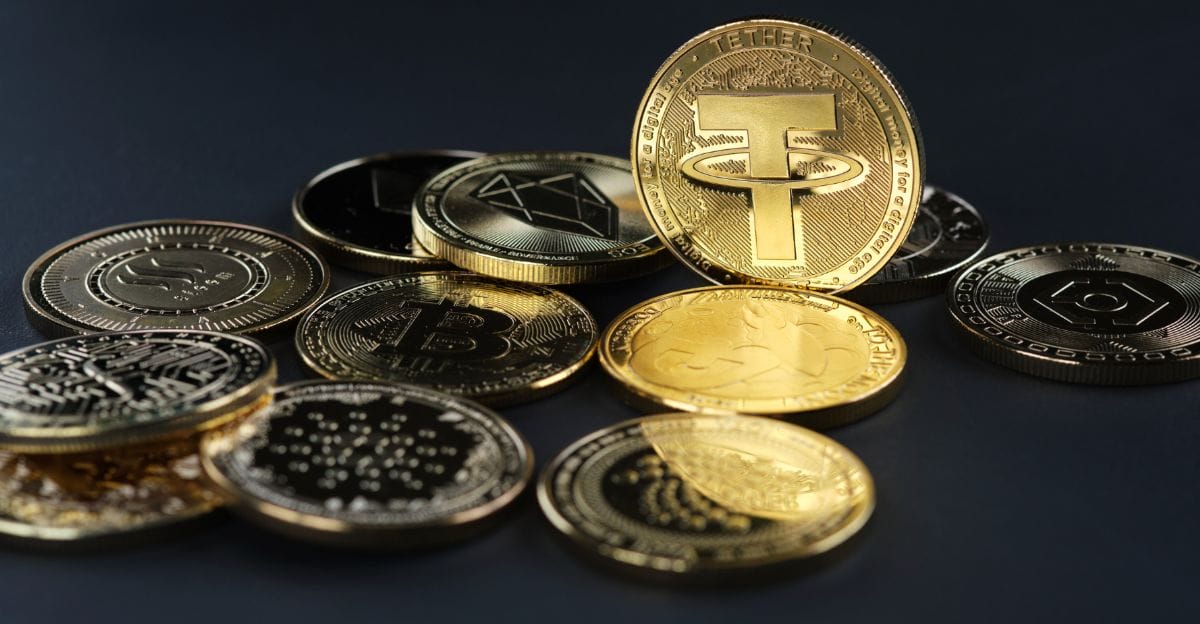
Tether is the largest stablecoin and one of the most traded cryptocurrencies on the planet. It was launched in 2014 and claims that every USDT token is backed by reserves including cash, cash equivalents, and other assets. USDT is accepted on nearly every crypto exchange and is often the default trading pair, making it the workhorse of crypto markets.
USD Coin (USDC)
USD Coin, issued by Circle, is the main rival to Tether. It positions itself as the more transparent option: Circle publishes regular attestations of its reserves, which are held primarily in cash and short-term US Treasury securities. Many businesses and fintech apps prefer USDC precisely because of that reputation for compliance and openness.
Dai (DAI)
Dai takes a different, decentralized approach. Instead of a company holding dollars in a bank, Dai is created by locking other cryptocurrencies as collateral in smart contracts on the Ethereum blockchain. It is managed by MakerDAO, a community of token holders, rather than any single corporation. Dai shows that stable value can exist without a traditional company behind it.
What Are Stablecoins Used For?
- Trading and investing: Traders park profits in stablecoins during market drops instead of cashing out to a bank, staying ready to buy the dip.
- International transfers: Sending stablecoins across borders is far faster and cheaper than wire transfers, which matters for freelancers and migrant workers.
- Earning yield: Many lending platforms and DeFi protocols pay interest on stablecoin deposits, often higher than traditional savings accounts.
- Everyday payments: In countries with high inflation or unstable currencies, people increasingly use dollar-pegged stablecoins as a safer way to save and pay.
- Hedging volatility: Investors convert volatile crypto gains into stablecoins to lock in profits without leaving the crypto ecosystem.
Risks You Should Know About
Stablecoins are more stable than Bitcoin, but they are not risk-free. The biggest risk is the peg breaking: if confidence in the reserves collapses, a stablecoin can lose its $1 value, as happened dramatically with TerraUSD in 2022, wiping out tens of billions of dollars almost overnight. Reserve transparency also varies widely, and some issuers have faced regulatory fines over misleading claims about what actually backs their tokens.
There is also counterparty risk. Most stablecoins depend on a company holding real assets and honoring redemptions. If that company fails or regulators freeze its accounts, the tokens can become worthless. Smart stablecoin users spread their holdings, prefer issuers with audited reserves, and never treat stablecoins as a substitute for an insured bank account.
How to Get Started Safely
If you want to try stablecoins, start small. Open an account with a reputable exchange, buy a modest amount of USDT or USDC, and practice sending it between your own wallets. Enable two-factor authentication, double-check wallet addresses before every transfer, and remember that crypto transactions cannot be reversed. As with any financial product, only put in money you can afford to lose.
Conclusion
Stablecoins bridge the gap between traditional money and the crypto world, offering the best of both: dollar-like stability with blockchain speed. Whether you want to trade, transfer money abroad, or earn yield on digital dollars, understanding USDT, USDC, and DAI is a solid first step. Regulation around stablecoins is also tightening worldwide, which should bring more transparency and consumer protection over time. Do your own research, respect the risks, and stablecoins can become a genuinely useful tool in your financial toolkit.