You have probably heard a friend say they skip breakfast to lose weight, or seen a headline claiming fasting can improve your health. Intermittent fasting has become one of the most talked-about nutrition trends of the past decade, and it continues to gain attention in 2026. But what is intermittent fasting, exactly? Is it a diet, a lifestyle, or just another passing fad? This beginner’s guide breaks down everything you need to know, from how it works to whether it might be right for you.
What Is Intermittent Fasting?
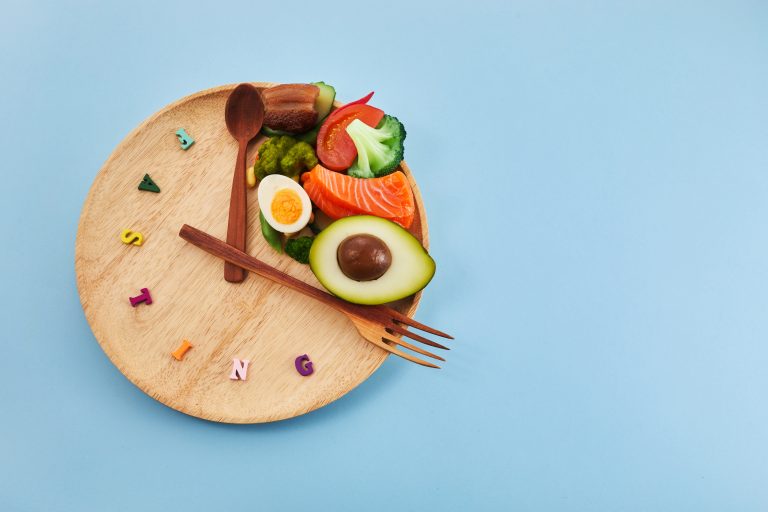
Intermittent fasting, often shortened to IF, is not a diet in the traditional sense. It does not tell you what to eat. Instead, it tells you when to eat. It is an eating pattern that cycles between periods of eating and periods of fasting, usually on a daily or weekly schedule.
The idea is simple: by limiting your eating window, you naturally eat less and give your body time to rest from constant digestion. Our ancestors did not have round-the-clock access to food, and many researchers believe the human body is well adapted to going without food for extended periods.
Unlike strict calorie-counting diets, intermittent fasting focuses on meal timing rather than food restriction. You can eat your normal foods, just within a specific time frame each day.
How Does Intermittent Fasting Work?
When you eat, your body breaks food down into glucose and uses it for energy. Excess energy is stored as fat. When you fast, your body runs out of readily available glucose and begins to burn stored fat for fuel instead. This metabolic switch usually happens after about 12 hours without food.
Fasting also triggers several hormonal and cellular changes, including:
- Lower insulin levels — fasting reduces insulin, making stored body fat more accessible for energy.
- Increased human growth hormone — levels of this hormone can rise significantly, supporting fat burning and muscle maintenance.
- Cellular repair — fasting activates autophagy, a process where cells remove damaged components and regenerate.
- Changes in gene expression — fasting influences genes linked to longevity and protection against disease.
The 16/8 Method
The most popular approach is the 16/8 method: fast for 16 hours and eat all your meals within an 8-hour window. For example, you might eat between noon and 8 p.m. and skip breakfast. Many people find this easy because most of the fasting hours are spent asleep.
The 5:2 Diet
With the 5:2 approach, you eat normally five days a week and restrict calories to around 500 to 600 on two non-consecutive days. This weekly pattern appeals to people who do not want a daily fasting routine.
Eat-Stop-Eat
Eat-Stop-Eat involves a full 24-hour fast once or twice a week, which is more challenging and better suited to experienced fasters.

Potential Benefits of Intermittent Fasting
Research into intermittent fasting has grown rapidly, and several potential benefits have emerged from both animal studies and human trials:
- Weight loss — a narrower eating window usually means fewer calories overall, which supports fat loss.
- Improved blood sugar control — some studies show fasting can reduce insulin resistance, lowering the risk of type 2 diabetes.
- Better heart health — fasting may improve blood pressure, cholesterol, and triglyceride levels.
- Reduced inflammation — several studies link intermittent fasting to lower markers of inflammation.
- Brain health — animal research suggests fasting may support brain function and reduce the risk of neurodegenerative disease.
It is worth noting that much of the research is still early, and results vary from person to person. Fasting is a tool, not a miracle cure.
What to Eat During Your Eating Window
Intermittent fasting does not give you a free pass to eat junk food. What you eat still matters. To get the best results, focus on nutrient-dense, whole foods:
- Lean proteins such as chicken, fish, eggs, and legumes
- Plenty of vegetables and some fruit
- Whole grains like oats, brown rice, and quinoa
- Healthy fats from olive oil, nuts, seeds, and avocados
- Plenty of water, plus unsweetened tea and black coffee during fasting hours
Avoid loading up on sugary snacks, processed foods, and large amounts of alcohol, which can undo the benefits of your fasting window.
Who Should Be Careful With Intermittent Fasting
Intermittent fasting is not for everyone. You should talk to a doctor before starting if any of the following apply:
- You are pregnant, breastfeeding, or trying to conceive
- You have diabetes or take medication that affects blood sugar
- You have a history of eating disorders
- You are under 18 or have a low body weight
- You take prescription medication that must be taken with food
Even for healthy adults, it is smart to start gradually. Begin with a 12-hour fast, see how your body responds, and extend the window only if you feel well.
Tips for Getting Started
If you are ready to try intermittent fasting, these practical tips will make the transition smoother:
- Start slow — begin with 12-hour fasts and work up to 14 or 16 hours over a few weeks.
- Stay hydrated — drink water throughout the day. Hunger is often mistaken for thirst.
- Keep busy — fasting feels hardest when you are bored. Schedule your fast around sleep and work.
- Break your fast gently — start with a balanced meal rather than a huge feast.
- Be consistent — pick a schedule you can maintain for months, not days.
The Bottom Line
Intermittent fasting is a flexible, sustainable eating pattern that focuses on when you eat rather than what you eat. For many people, the 16/8 method is a simple entry point that fits naturally into daily life. The potential benefits, from weight management to better metabolic health, make it worth considering in 2026.
That said, no eating pattern works for everyone. Listen to your body, eat nutritious foods during your eating window, and check with a healthcare professional if you have any medical concerns. Done sensibly, intermittent fasting can be a practical addition to a healthy lifestyle.