A crypto wallet is the tool that lets you store, send, and receive digital assets like Bitcoin and Ethereum. Every wallet holds a pair of cryptographic keys: a public key that works like an account number you can share, and a private key that works like a password you must never reveal. Whoever controls the private key controls the coins, so the way a wallet protects that key is what matters most. Wallets fall into two broad families: hot wallets, which stay connected to the internet, and cold wallets, which stay offline. Understanding the difference is one of the most important things any crypto holder can learn.
What Is a Hot Wallet?
A hot wallet is any crypto wallet that is connected to the internet while in use. Mobile apps, desktop software wallets, and browser extensions are all hot wallets, and so are the accounts on crypto exchanges where many beginners first buy coins. Because they are online, hot wallets are fast and convenient: you can check balances, swap tokens, and send funds within seconds, and most are free to download and easy to set up.

Common types of hot wallets
- Mobile wallets: apps installed on a smartphone that let you pay, trade, and track prices on the go.
- Desktop wallets: software programs for a computer that give you full control of your keys with more screen space for managing portfolios.
- Browser extension wallets: lightweight wallets that plug into a web browser for quick interaction with decentralized apps.
- Exchange wallets: custodial accounts on trading platforms, where the exchange holds the private keys on your behalf.
The main advantage of hot wallets is convenience. They are ideal for everyday activity such as trading, buying NFTs, or moving small amounts around. The trade-off is exposure: because the private keys live on an internet-connected device, a hot wallet can be reached by malware, phishing attacks, and security breaches.
What Is a Cold Wallet?
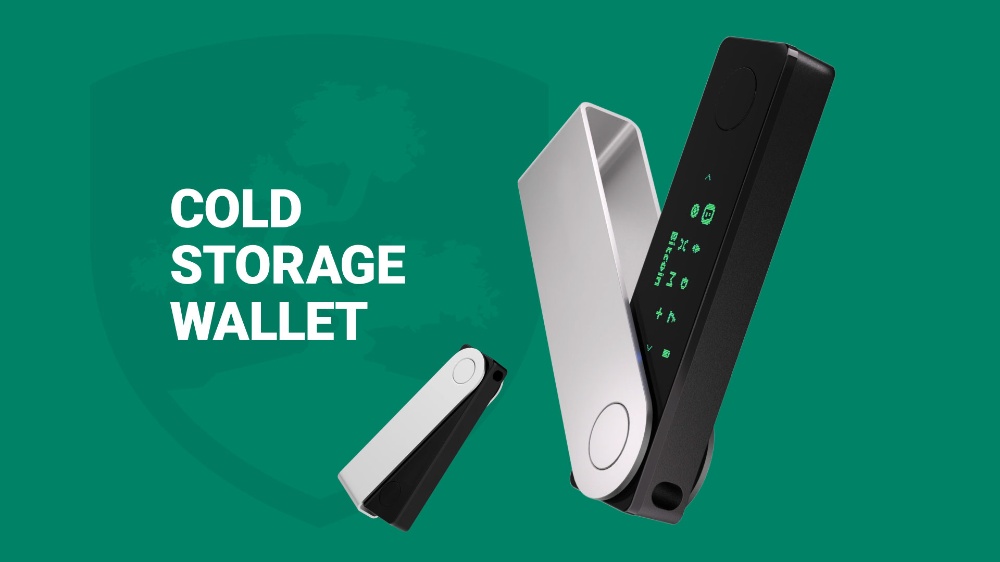
A cold wallet is any crypto wallet that keeps its private keys offline, physically disconnected from the internet. The most common kind is a hardware wallet: a small dedicated device that stores keys inside a secure chip and only signs transactions when you physically confirm them on the device. Paper wallets, where keys are printed or written down and stored away, and air-gapped computers that never go online, are also cold storage methods.
When you want to send crypto from a cold wallet, you typically connect the device to a computer or phone just long enough to sign the transaction, then disconnect it. Because the private keys never touch the internet, they are far out of reach of remote attackers. This makes cold wallets the standard choice for long-term storage of significant amounts, sometimes called the digital equivalent of a safe deposit box. The downsides are cost, since good hardware wallets are physical products you must buy, and slower, more deliberate transactions that require the device to be plugged in and confirmed by hand.
Hot Wallets vs Cold Wallets: Key Differences
The difference between the two comes down to a simple trade-off: convenience against security. Neither is universally better; they are designed for different jobs, and most experienced holders use both.
Security
Cold wallets win on security because their private keys stay offline, beyond the reach of online attacks. Hot wallets are inherently more exposed, since their keys live on connected devices. That said, no wallet is invulnerable: cold wallets can still be compromised if you lose your recovery phrase, buy a tampered device, or fall for a scam that tricks you into signing a bad transaction.
Convenience and speed
Hot wallets win on convenience. They are always ready, integrate smoothly with trading platforms and decentralized apps, and usually cost nothing. Cold wallets are deliberately slower: each transaction needs the device connected, buttons pressed, and details verified, which is a feature for security but a hassle for frequent use.
Cost and setup
Most hot wallets are free software you can install in minutes. Hardware cold wallets cost money up front and require careful setup, including writing down a recovery phrase, usually twelve to twenty-four words that can restore your funds if the device is lost.
Best use cases
- Hot wallets: daily spending, active trading, interacting with decentralized apps, and holding smaller amounts you can afford to move quickly.
- Cold wallets: long-term savings, large holdings, and coins you do not plan to touch for months or years.
Which Wallet Should You Choose?
The right answer for most people is both. A common strategy is to keep a small working balance in a hot wallet for everyday activity, and the bulk of your holdings in a cold wallet for safekeeping, moving funds between them only when needed. Your exact mix depends on how much crypto you hold, how often you transact, and how comfortable you are with the extra steps of cold storage.
Whichever you use, a few habits go a long way:
- Never share your private key or recovery phrase with anyone, and never type them into a website.
- Turn on two-factor authentication wherever it is offered, and prefer app-based or hardware-based codes over text messages.
- Download wallet software only from official sources, and double-check web addresses before connecting a wallet to any site.
- Test with a small amount before sending a large transaction to a new address.
Crypto wallets are your gateway to digital assets, and choosing between hot and cold storage is really about matching the tool to the task. Hot wallets give you speed and flexibility for daily life; cold wallets give you maximum protection for what you want to keep. Use each for what it does best, guard your keys carefully, and your crypto will be as safe as it can reasonably be.