Index Funds vs ETFs: Two Roads to the Same Market
For long-term investors, index funds and exchange-traded funds (ETFs) are the two most popular ways to own the stock market cheaply and without constant guesswork. Both track an index like the S&P 500, both spread your money across hundreds of companies, and both carry far lower fees than most actively managed funds. Yet they are built differently: one is a traditional mutual fund that settles once a day, the other trades on an exchange like a stock. That difference shapes everything from minimum investments to tax efficiency. Many experts suggest that either vehicle can anchor a long-term portfolio, so the right choice comes down to how you invest, how often you trade, and which account you use.
How Index Funds Work
An index fund is a type of mutual fund designed to replicate the performance of a market index rather than beat it. A fund manager buys all (or a representative sample) of the stocks in the index, and the fund’s value is calculated once per day after markets close — a price called the net asset value, or NAV. You place your order, and it executes at that day’s closing NAV.

-
Priced once daily after the market closes
-
Often allows fractional shares and automatic recurring investments
-
Many index funds have low or no minimum investment requirements
-
Best suited for set-and-forget contributions through employer retirement plans
Because you buy and sell at the end-of-day NAV, index funds are a natural fit for investors who contribute automatically every month and rarely look at their account. Most 401(k) plans, in fact, offer index funds as their core low-cost option.
How ETFs Work
An ETF also tracks an index, but it is structured to trade on a stock exchange throughout the day. Each ETF has a ticker symbol, and its price moves continuously while markets are open. Most index ETFs use a creation-and-redemption process with large institutional investors to keep the market price closely aligned with the value of the underlying holdings.
-
Trades intraday like a stock, so you can buy or sell at a live price
-
No minimum investment beyond the price of a single share
-
Supports advanced order types such as limit orders and stop orders
-
Typically very tax-efficient thanks to the in-kind creation and redemption mechanism
This structure appeals to investors who value flexibility: you can react to market moves the same day, rebalance precisely, or deploy a lump sum in one trade.
Key Differences That Matter Over Time
Costs and Expense Ratios
Both index funds and ETFs are known for low expense ratios, and in many cases the gap is tiny — often a few hundredths of a percent per year. Some broad-market ETFs charge even less than their mutual fund counterparts, but the difference rarely decides long-term outcomes on its own. What matters more is staying invested and avoiding turnover, since many experts suggest that minimizing fees is one of the few reliable ways to improve net returns.
Trading Flexibility and Liquidity
ETFs win on flexibility: intraday trading, limit orders, and real-time pricing give you full control over when and at what price you transact. Index funds trade only once a day, which can feel limiting if you want to act on news quickly. For a buy-and-hold investor who rebalances once or twice a year, this distinction is minor — but for anyone who moves money more often, ETFs are the more convenient vehicle.
Tax Efficiency
ETFs generally generate fewer taxable capital gains distributions than index funds. Their creation-and-redemption process lets fund managers pass securities in and out without triggering taxable events inside the fund. Index funds, by contrast, may distribute capital gains when they rebalance or when many investors redeem shares at once. Inside a tax-advantaged retirement account this hardly matters, but in a taxable brokerage account, the ETF structure can meaningfully reduce your annual tax bill.
Minimums and Automation
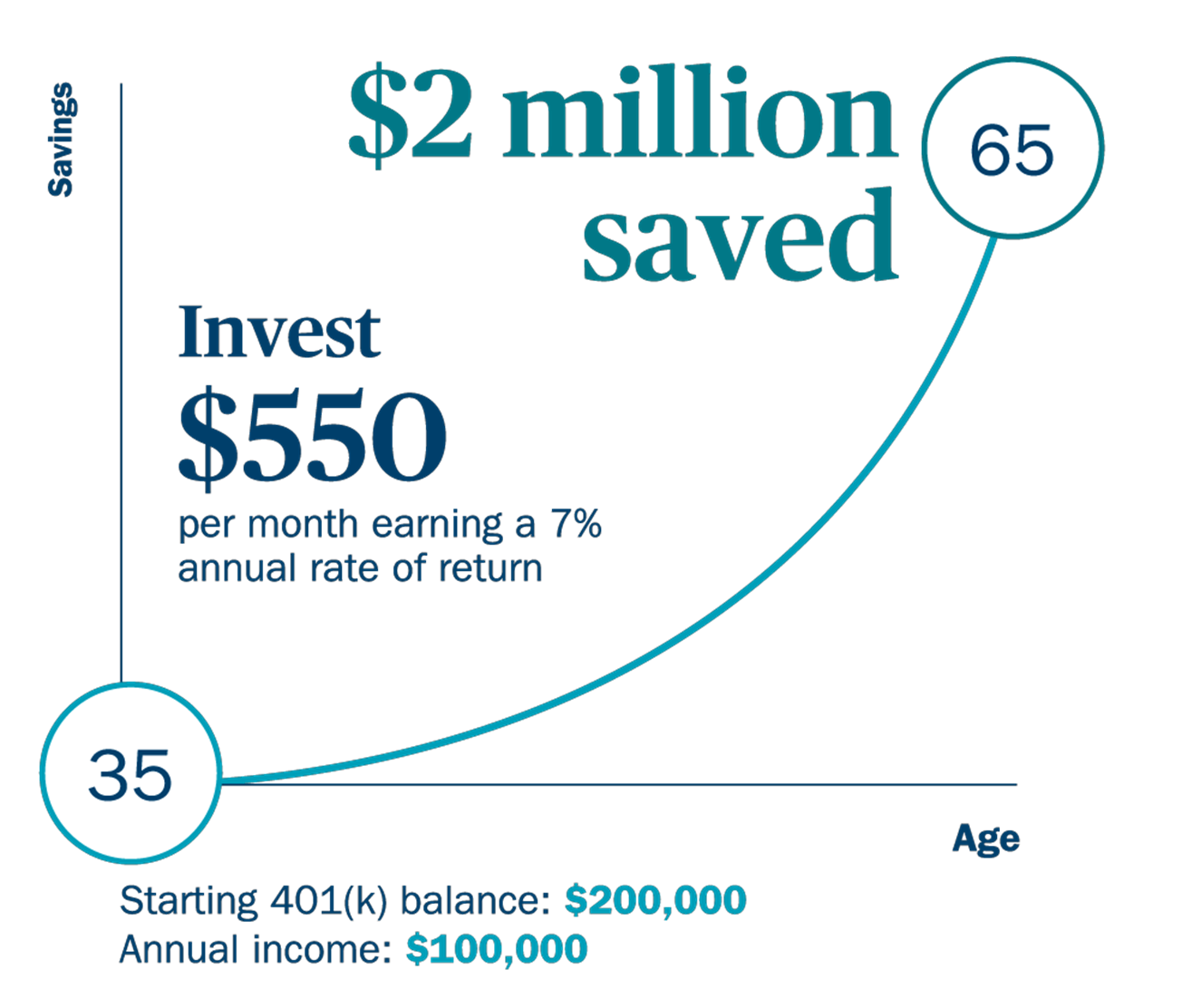
Index funds tend to be friendlier to small, regular contributions: many allow fractional-share purchases and automatic monthly investments at no extra cost. Some ETFs now support fractional shares and auto-investing too, but the features are broker-dependent and less universal. If your strategy is to set up a monthly contribution and forget it for twenty years, an index fund inside a retirement account is hard to beat for simplicity.
Which Is Better for Long-Term Investing?
There is no universal winner — the better choice depends on your habits and your account type. Consider these guidelines:
-
Choose index funds if you invest automatically through a 401(k) or IRA, prefer end-of-day simplicity, and want effortless recurring contributions.
-
Choose ETFs if you invest in a taxable brokerage account, want the lowest possible expense ratios and best tax efficiency, or like intraday trading flexibility.
-
Many long-term investors use both: index funds inside retirement accounts and ETFs in taxable accounts, capturing the advantages of each.
Both options let you own the whole market at a fraction of the cost of stock picking or active management, and many experts suggest that discipline — not the vehicle — is the biggest driver of long-term results.
Final Thoughts
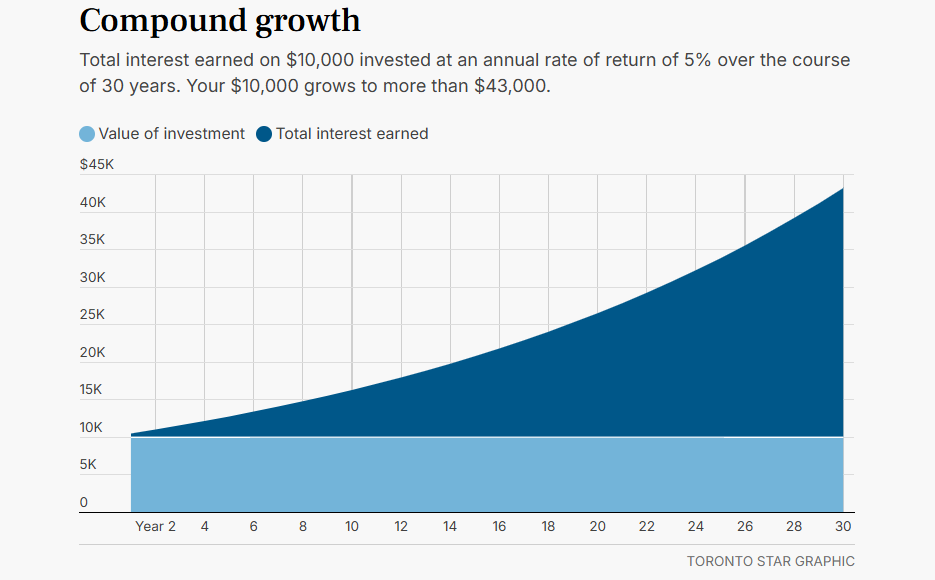
Index funds and ETFs are more alike than different: diversified, low-cost, and designed for patient investors. ETFs offer slightly better tax efficiency and trading flexibility, while index funds offer unmatched simplicity for automatic investing. Whichever you choose, the formula for long-term success stays the same — contribute consistently, keep costs low, reinvest your dividends, and give compounding time to do its work.