Artificial intelligence was once a luxury only large enterprises could afford. In 2026, it is a utility priced for the corner shop, the solo consultant, and the neighborhood bakery. From customer service chatbots to automated bookkeeping, AI tools are quietly reshaping how small businesses operate. Here is how the change is playing out and how to take advantage of it.
Customer Service That Never Sleeps
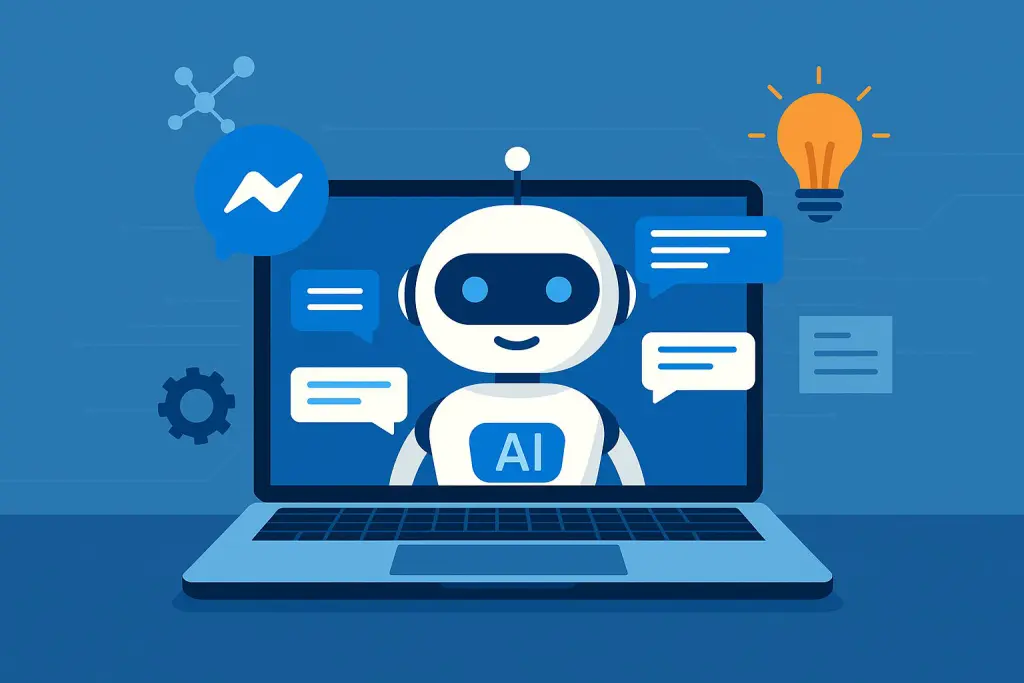
The most visible change is in customer communication. AI chatbots now handle common questions, take bookings, and resolve routine issues around the clock. A small business can offer instant responses at 2 a.m. without hiring night staff.
The key is training the bot on your real business: your menu, your policies, your prices. Generic bots frustrate customers, but one that knows your business feels like a helpful employee. Start with the ten questions you answer most often and automate those first.

- Answer common questions instantly, day and night.
- Train the bot on your real products, prices, and policies.
- Start with your ten most-asked questions.
- Hand complex issues to a human smoothly.
Marketing on Autopilot
AI has collapsed the cost of content creation. Small businesses now generate social media posts, email newsletters, product descriptions, and even ad variations in minutes. A one-person shop can maintain a content calendar that once required a team.
The winners use AI as a drafting assistant, not a replacement for judgment. Generate the first draft with AI, then add your voice, your stories, and your local knowledge. Customers can tell the difference between generic content and content that knows the neighborhood.
- Draft posts, emails, and product copy in minutes.
- Add your voice and local knowledge to every draft.
- Test more ad variations than a human team could write.
- Keep a human review step before anything publishes.
Smarter Operations Behind the Scenes
Beyond marketing, AI is streamlining the unglamorous work: scheduling, inventory, invoicing, and payroll. Tools that predict demand help a cafe order the right amount of milk; automated bookkeeping categorizes transactions as they happen.
These gains compound. An hour saved on scheduling and an hour saved on invoicing each week is more than twelve working days a year. For a small team, that is the difference between treading water and growing.

- Automate scheduling, invoicing, and bookkeeping.
- Use demand forecasting to cut waste and stockouts.
- Small weekly savings compound into real capacity.
- Pick one workflow to automate before adding more.
Better Decisions from Your Own Data
Small businesses sit on valuable data: sales records, customer lists, website analytics. AI tools now turn that data into plain-language insights, like which products are trending, which customers are drifting away, and which promotions actually worked.
You do not need a data science team. Modern tools connect to your point-of-sale or accounting software and surface recommendations automatically. The businesses that act on these insights outmaneuver competitors still running on gut feel.
- Turn sales and customer data into plain-language insights.
- Spot trends and at-risk customers early.
- Measure which promotions actually drive profit.
- No data science team required.
The Human Edge Matters More
Paradoxically, as AI handles routine work, the human touch becomes more valuable. Customers choose small businesses for relationships, trust, and craft. AI frees up the time to deliver those things instead of drowning in admin.
The businesses thriving in 2026 pair AI efficiency with genuine hospitality. Automate the repetitive, then reinvest the saved hours in the personal touches that no algorithm can copy: remembering a regular’s name, fixing a problem generously, and showing up for the community.
- Automate routine work to free up human time.
- Invest saved hours in relationships and craft.
- Customers choose small business for the human touch.
- Use AI as leverage, not as a replacement for care.
How to Get Started
Do not try to AI-ify everything at once. Pick the single most time-consuming repetitive task in your business and automate that first. Measure the time saved, then move to the next one. Most small businesses see meaningful results from their first automation within weeks.
- Start with your most time-consuming repetitive task.
- Choose tools built for small business, not enterprises.
- Train staff alongside the tools, not against them.
- Keep customer data private and secure as you adopt AI.
Conclusion
AI in 2026 is not about replacing small businesses; it is about giving them superpowers once reserved for big companies. The shops and services that adopt these tools thoughtfully will serve customers better, waste less time, and grow faster than those that wait.