
Getting into a car accident is stressful enough without the confusion of insurance paperwork. Filing a car insurance claim correctly can make the difference between a quick payout and weeks of delays. Whether you are dealing with a minor fender bender or a serious collision, following a clear process protects your rights and helps you recover the compensation you deserve. Here is a step-by-step guide to filing a car insurance claim the right way.

Step 1: Ensure Everyone’s Safety and Call for Help
Your first priority after any accident is safety. Move to a safe spot if possible, turn on your hazard lights, and check yourself and your passengers for injuries. Call emergency services if anyone is hurt, no matter how minor the injury seems. Even for accidents without injuries, calling the police is important because a police report creates an official record of the incident. Many insurance companies require a police report when you file a car insurance claim, and it strengthens your case in any dispute over fault.
Step 2: Document the Scene Thoroughly
Evidence you collect at the scene can dramatically speed up your claim. Use your phone to photograph the damage to all vehicles involved, the surrounding area, road conditions, traffic signs, and any skid marks. Also photograph the license plates of the other vehicles and the other driver’s insurance card and driver’s license.
Key Details to Record
- The date, time, and exact location of the accident
- Names and contact information of the other drivers and any witnesses
- Insurance company names and policy numbers of everyone involved
- The police report number and the responding officer’s name
- A short written account of what happened while the details are fresh
Stick to the facts and avoid admitting fault or assigning blame at the scene. Even a casual “I’m sorry” can be interpreted as an admission of liability by an insurance adjuster.
Step 3: Notify Your Insurance Company Promptly
Most car insurance policies require you to report an accident within a specific timeframe, often within 24 to 72 hours. Check your policy documents or your insurer’s mobile app for their exact deadline, because missing it can jeopardize your claim. When you call, you will typically speak with a claims representative who will ask for the details you documented and assign you a claim number. Keep this number handy, as you will need it for every follow-up. Be honest and consistent in everything you tell the insurer. Exaggerating damage or changing your story between calls is a fast route to a denied claim.
Step 4: Work with the Claims Adjuster
After you file, your insurance company will assign a claims adjuster to investigate. The adjuster reviews the evidence, determines who was at fault, and estimates how much the insurer should pay. They may request additional photos, the police report, repair estimates, or medical records if there were injuries. Cooperate fully and respond to requests quickly, but keep copies of everything you send. If the adjuster asks for a recorded statement, stick to the facts and write out your account beforehand so your statement stays consistent.
Step 5: Get Repair Estimates and Choose a Shop
Your insurer may recommend approved repair shops, but in most cases you are free to choose your own mechanic. It is smart to get two or three written estimates so you can compare pricing and catch inflated quotes. Ask each shop for an itemized estimate and a timeline for the repairs. If your policy includes rental car coverage, your insurer can authorize a rental while your car is in the shop. Confirm your daily rental limit and coverage days before booking, so you avoid unexpected out-of-pocket costs.
Step 6: Understand Your Settlement and Deductible
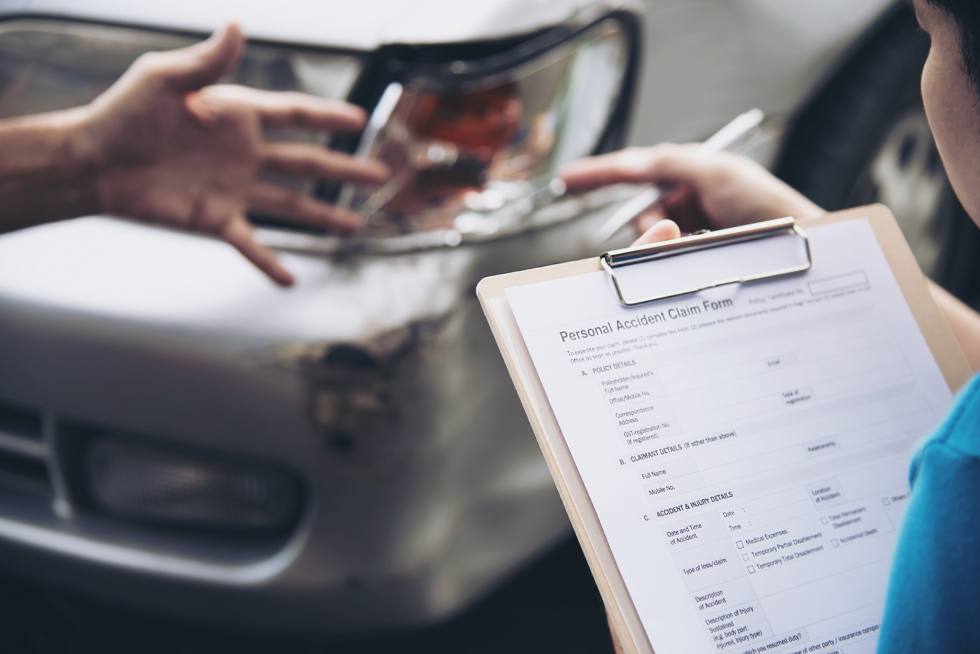
Before your insurer pays out, your deductible will be subtracted from the settlement amount. For example, if your repair costs 2,500 dollars and your deductible is 500 dollars, your insurer will pay 2,000 dollars. Review the settlement offer carefully and compare it against your repair estimates. If the offer seems too low, you have the right to negotiate. Provide your estimates, photos, and any additional evidence, and ask the adjuster to explain how the amount was calculated. Most insurers will reconsider a settlement when presented with solid documentation. Once you accept, payment is usually issued within a few business days.
Common Reasons Car Insurance Claims Are Denied
Understanding why claims fail can help you avoid the same mistakes. These are the most common reasons insurers deny a car insurance claim:
- Reporting the accident after the policy’s deadline has passed
- Insufficient documentation or no police report for a significant accident
- The damage falls under an exclusion in your policy, such as wear and tear
- The policy lapsed because premiums were not paid on time
- Inconsistent statements or evidence of fraud
- Driving outside the terms of the policy, such as using a personal car for commercial delivery
If your claim is denied, ask for the reason in writing. You can appeal internally with your insurer, file a complaint with your state’s insurance department, or consult an attorney if the amount at stake is significant.
Tips to Speed Up Your Claim
Use these tips to move your claim along faster:
- Report the accident as soon as possible, ideally the same day
- Keep all documents, photos, receipts, and claim numbers in one folder
- Respond to adjuster requests within 24 hours
- Ask your adjuster for a direct phone number and expected response times
- Track your medical treatment and keep every bill if you were injured
- Follow up politely but regularly so your claim stays at the top of the pile
Conclusion
Filing a car insurance claim is a process, not a single phone call. Document everything at the scene, notify your insurer promptly, cooperate with the adjuster, and review any settlement offer carefully before accepting it. With organized records and a clear understanding of your policy, you can get through the claims process with confidence and get back on the road as quickly as possible.